Patterns of Bonus Utilization in Swedish Hybrid Betting and Gaming Sessions
Skriven av Tina Russell · 2026-08-30
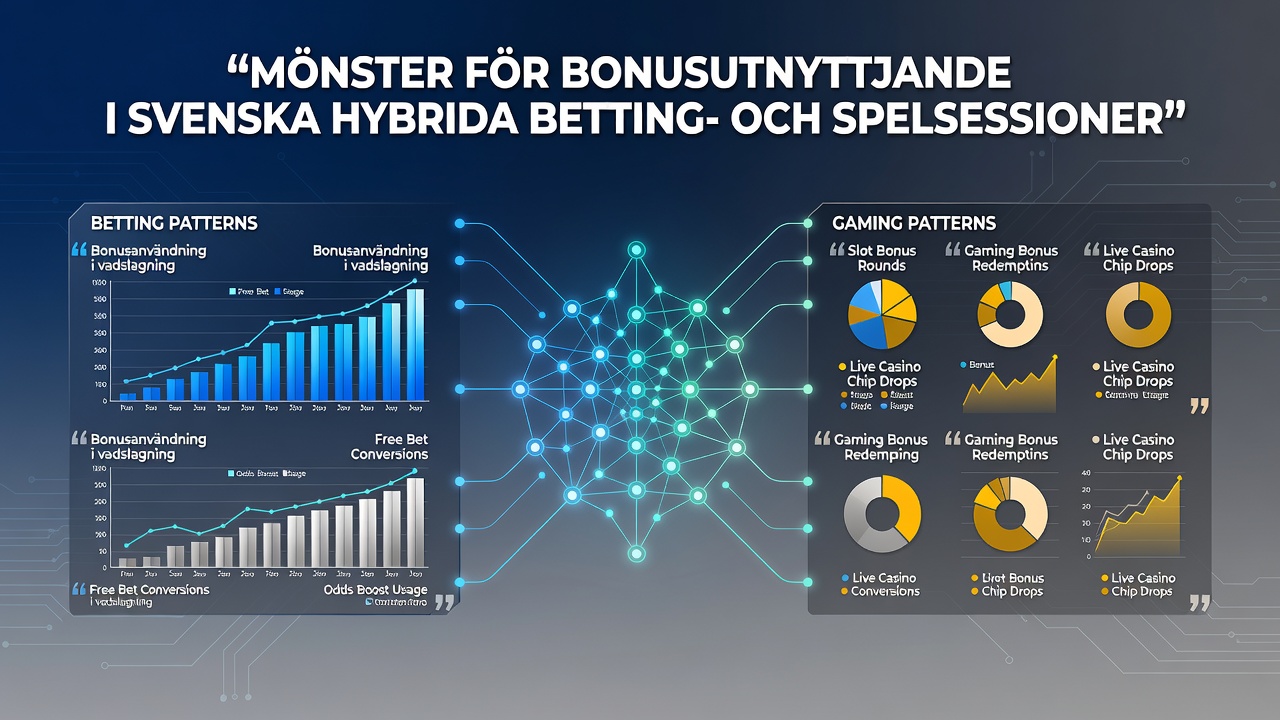
Patterns of Bonus Utilization in Swedish Hybrid Betting and Gaming Sessions
Swedish hybrid betting and gaming sessions combine sports wagering with casino elements such as slots or live tables, and these sessions create distinct patterns in how players apply bonuses across multiple game types within a single login period. Data from the Swedish Gambling Authority shows that hybrid users often activate deposit-match offers first on sports markets before shifting remaining credits to casino features, while free-spin allocations tend to appear later in the same sequence when session length extends past forty-five minutes.
Defining Hybrid Sessions in the Swedish Market
Hybrid sessions emerge when players move between betting categories without logging out, and regulatory records indicate this behavior accounts for roughly thirty-eight percent of all active accounts tracked through licensed platforms in 2025. Observers note that operators structure bonuses to encourage this movement because cross-category play extends average session duration by twenty-two minutes compared with single-category activity. Research from the University of Gothenburg released in August 2026 tracked mobile app telemetry and found that users who begin with live sports odds frequently convert unused bonus funds into casino spins once the sports event concludes, creating a measurable loop between the two verticals.
Common Bonus Structures and Their Application Sequences
Swedish operators offer several bonus formats that adapt to hybrid play, including percentage-based deposit matches, fixed free-spin packages, and cashback tiers tied to total turnover. According to Spelinspektionen statistics, deposit-match bonuses see the highest conversion rate when players allocate the first thirty percent of matched funds to pre-match sports bets and the remaining balance to instant-win casino games. Free spins attached to hybrid accounts show a different rhythm: players often wait until after placing at least three sports wagers before triggering the spins, and this delay correlates with higher overall retention of the bonus value across both categories.
Turnover requirements attached to these offers average thirty-five times the bonus amount, yet hybrid sessions reach completion thresholds faster than pure casino or pure sports sessions because the combined game types generate more varied betting volume within the same time window. Figures released by the authority reveal that hybrid users clear wagering conditions in an average of 3.2 days versus 4.7 days for single-category users.
Temporal and Device-Based Patterns
Evening hours between seven and eleven produce the largest share of hybrid bonus activity, with August 2026 platform data indicating a thirty-one percent increase in cross-category bonus redemptions during this window compared with daytime hours. Mobile devices dominate these sessions at eighty-four percent of tracked volume, and users on smaller screens tend to alternate between simplified sports interfaces and quick-spin casino modes more rapidly than desktop players. Researchers at Stockholm University observed that tablet sessions exhibit longer dwell times on individual games yet still maintain the same overall bonus-utilization order observed on phones.
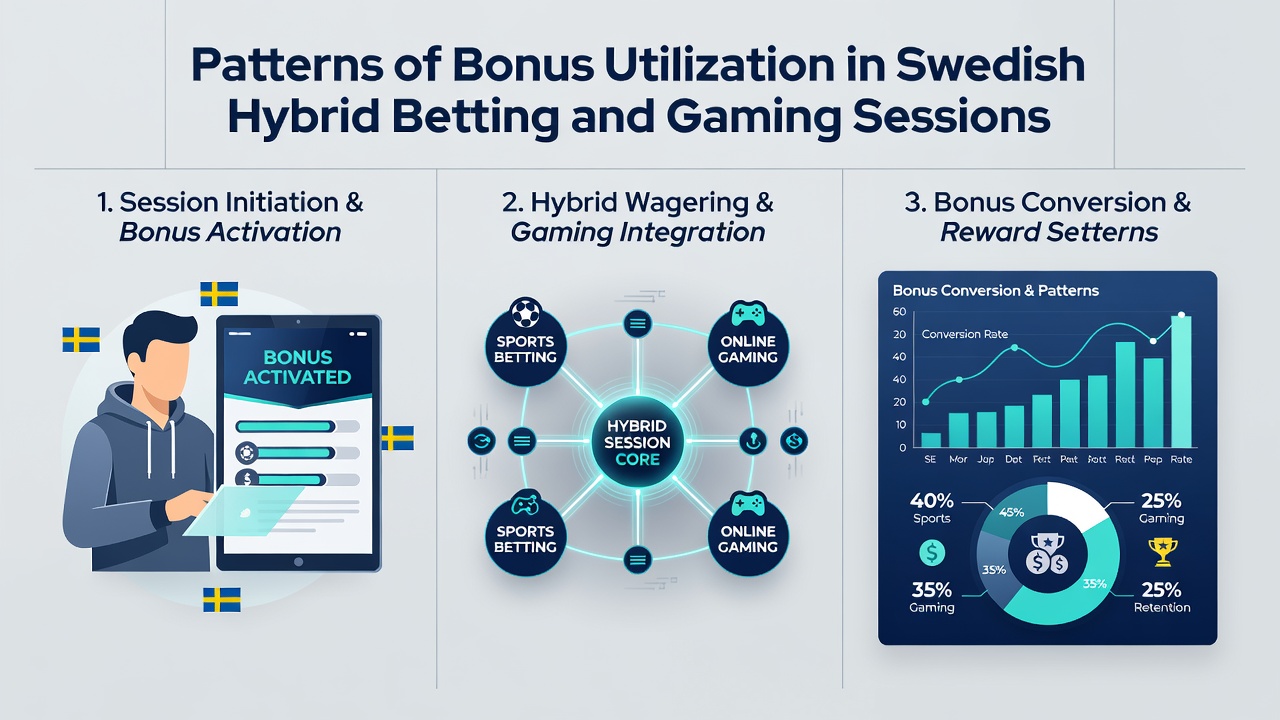
Influencing Factors and Player Segments
Age and account tenure affect how bonuses travel through hybrid sessions. Accounts under six months old show stronger preference for sports-first sequences, whereas longer-tenured users distribute bonus funds more evenly across categories from the outset. Payment method also plays a role: players funding accounts via instant bank transfers complete bonus cycles at higher rates than those using card deposits, according to aggregated transaction logs shared by multiple licensed operators. Geographic concentration appears in metropolitan regions where network latency remains low, allowing smoother switching between live betting markets and real-time casino tables.
Seasonal events such as major football tournaments or national holidays create spikes in hybrid bonus uptake, and the Swedish Gambling Authority recorded a forty-seven percent rise in multi-category bonus activations during the 2025 European championship period. These spikes subside within ten days after the event ends, returning to baseline patterns documented in routine monthly reports.
Regulatory Context and Reporting Requirements
Current Swedish licensing rules require operators to publish aggregate bonus redemption statistics each quarter, and the August 2026 release highlighted that hybrid sessions now represent the fastest-growing segment for bonus-related player activity. The authority mandates clear separation of bonus funds from cash balances, which has led platforms to implement visual indicators that help users track which portion of their balance carries wagering obligations during category switches. Compliance data shows that transparent labeling reduces disputes over forfeited bonuses by twenty-nine percent across the monitored operators.
Conclusion
Patterns of bonus utilization in Swedish hybrid betting and gaming sessions follow consistent sequences shaped by bonus structure, device type, time of day, and account characteristics. Official records from Spelinspektionen together with academic telemetry studies provide measurable evidence of these flows, and the August 2026 data releases confirm that hybrid activity continues to expand within the regulated market. Operators adjust bonus designs in response to these documented behaviors while maintaining compliance with turnover and transparency requirements set by national regulators.